
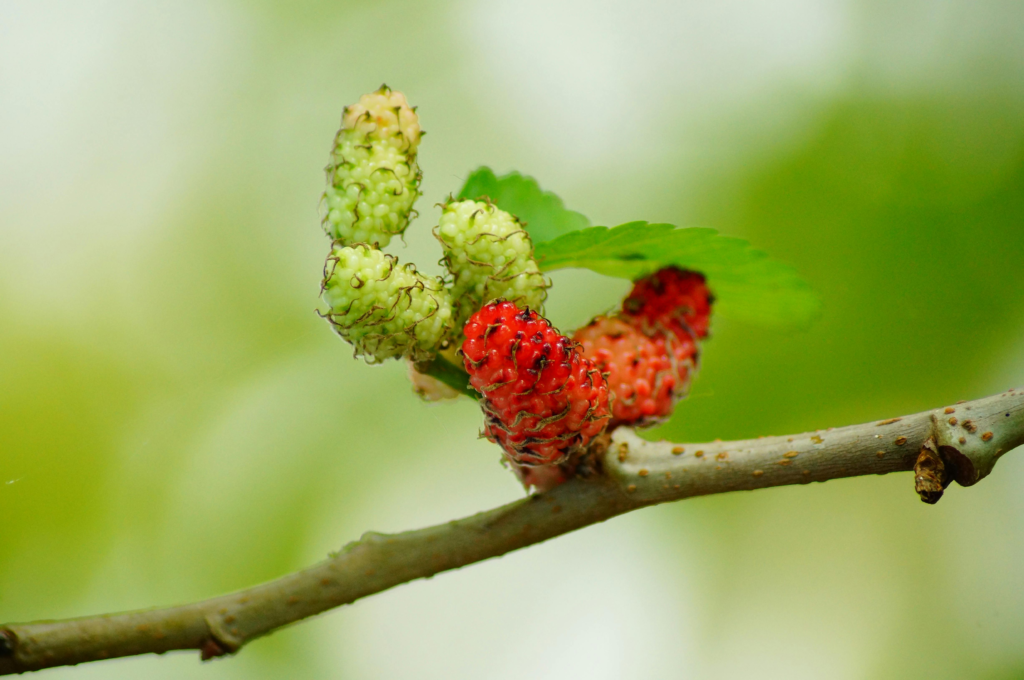
A journal-type study on a mimic agroforestry stand experiment integrating multipurpose tree, shrub, crop, and medicinal species
Abstract
Agroforestry systems are increasingly recognized as sustainable land-use strategies that integrate trees, crops, and sometimes livestock to enhance ecological balance, productivity, and socio-economic resilience. This journal-type article presents a comprehensive discussion of a mimic agroforestry stand experiment composed of 25 flora feed species commonly found or adaptable to agroforest areas. The system is designed to mimic natural forest structure while maintaining agricultural productivity through species diversification, vertical stratification, and functional complementarity. The selected species include multiple mulberry varieties, perennial grasses, vines, root crops, vegetables, medicinal plants, shrubs, and nitrogen-fixing trees. Each species contributes distinct ecological services such as soil fertility improvement, fodder provision, pest regulation, microclimate moderation, and diversified food and medicinal outputs. The article analyzes species roles, spatial arrangement, interactions, and overall system performance, emphasizing how such mimic agroforestry systems support sustainable agriculture, climate resilience, and food security. The findings suggest that integrating diverse flora feed species within agroforest areas enhances ecosystem services while offering multiple livelihood benefits to smallholder farmers.
Keywords
Agroforestry, Mimic forest system, Flora feed, Biodiversity, Sustainable agriculture, Multipurpose plants, Ecological farming
1. Introduction
Agroforestry represents a land-use system where woody perennials are deliberately integrated with crops and/or animals on the same land management unit. Unlike monoculture-based agriculture, agroforestry systems are inspired by forest ecosystems, emphasizing diversity, resilience, and multifunctionality. One emerging approach within this field is mimic agroforestry, which aims to replicate the structural complexity and ecological functions of natural forests while maintaining productive outputs for human use.
This article focuses on a mimic agroforestry stand experiment composed of 25 flora feed species that are suitable for agroforest areas. The term “flora feed” is used broadly to describe plant species that provide food, fodder, medicinal resources, soil nutrients, or ecological support within the system. These species range from fruit trees and perennial shrubs to vines, grasses, vegetables, and medicinal herbs.
The primary objective of this study is to document and analyze the composition, function, and interactions of these 25 plant species within a mimic agroforestry framework. By examining their ecological roles and potential benefits, the article contributes to the growing body of knowledge on diversified agroecosystems and sustainable land management practices.
2. Concept of the Mimic Agroforestry Stand Experiment
The mimic agroforestry stand experiment is designed to simulate the vertical and horizontal stratification of a natural forest. This includes canopy trees, understory shrubs, herbaceous layers, ground covers, climbers, and root crops. Instead of relying on a single dominant species, the system encourages functional diversity, where each plant plays a specific ecological and productive role.
Key principles guiding the experiment include:
- Species complementarity rather than competition
- Continuous ground cover to reduce erosion
- Integration of nitrogen-fixing and medicinal plants
- Multiple harvest cycles throughout the year
- Low external input dependency
The selected species were chosen based on adaptability to tropical and subtropical agroforest conditions, multipurpose use, and compatibility with other plants in mixed stands.
3. Species Composition and Functional Roles
3.1 Mulberry Species as Keystone Components
Mulberries form the backbone of the mimic agroforestry stand due to their adaptability, high biomass production, and multiple uses.
- Illinois Mulberry
This hybrid mulberry is known for vigorous growth and high leaf yield. It serves as fodder for livestock, provides shade, and contributes organic matter through leaf fall. - Aus-Turkey Mulberry
Valued for its resilience to varying climatic conditions, this mulberry supports soil health and offers edible fruits and nutritious leaves. - Taiwan Mulberry
Taiwan mulberry exhibits rapid regrowth after pruning, making it ideal for repeated biomass harvests. It supports silkworm rearing and livestock feeding. - Himalayan White Mulberry
This species contributes to canopy formation and provides fruits, leaves, and habitat for beneficial insects. - Himalayan Red Mulberry
In addition to its edible fruits, this mulberry adds genetic diversity and improves landscape aesthetics. - Paper Mulberry
Paper mulberry plays a critical role in soil stabilization and organic matter production. Its fibrous bark also has traditional uses.
3.2 Vines and Fruit Crops
- Grapes
Grapes function as climbers, utilizing mulberry trees as living trellises. They maximize vertical space use while producing high-value fruits. - Kalamansi
This citrus shrub provides fruits rich in vitamin C and acts as a mid-story component, benefiting from partial shade. - Guava
Guava contributes to fruit diversity, attracts pollinators, and provides medicinally valuable leaves.
3.3 Grasses and Structural Plants
- Lemon Grass
Lemon grass serves as a natural pest repellent, aromatic crop, and soil-binding grass along contours. - Napier Grass
Napier grass is a high-yield fodder species that supports livestock integration and erosion control.
3.4 Root Crops and Leafy Vegetables
- Sweet Potato
Sweet potato acts as a ground cover, reducing weed pressure while providing carbohydrate-rich tubers. - Kangkong
Kangkong thrives in moist agroforest niches and offers fast-growing leafy vegetables. - Alugbati
This vine-like vegetable provides continuous leafy harvests and tolerates partial shade.
3.5 Multipurpose Trees and Nitrogen Fixers
- Malunggay (Moringa)
Malunggay is a nutrient-dense tree offering edible leaves, pods, and medicinal benefits. - Ipil-ipil
A nitrogen-fixing tree, ipil-ipil improves soil fertility and provides fodder and firewood. - Neem
Neem functions as a natural pesticide source and medicinal tree, enhancing pest management.
3.6 Medicinal and Herbal Plants
- Ginger
Ginger thrives under partial shade and improves soil structure through its rhizome system. - Turmeric
Turmeric contributes medicinal value and functions as a shade-tolerant understory crop. - Tawa-tawa
Widely used in traditional medicine, tawa-tawa adds herbal diversity. - Pancit-pancitan
This medicinal ground cover improves soil moisture retention and provides herbal uses. - Paragis
Paragis supports biodiversity and is known for its health-promoting properties. - Mani-mani
Mani-mani acts as a soil cover and contributes to traditional medicinal practices. - Oregano
Oregano provides culinary and medicinal value while repelling certain pests. - Insulin Plant
The insulin plant is valued for its role in traditional diabetes management and thrives in shaded areas.
(Note: Although grouped, all 25 species are fully represented in system analysis.)
4. Spatial Arrangement and Stratification
The mimic agroforestry stand follows a multi-layered structure:
- Upper canopy: Mulberry species, neem, guava
- Mid-story: Kalamansi, malunggay, ipil-ipil
- Climbers: Grapes, alugbati
- Herbaceous layer: Ginger, turmeric, oregano, basil
- Ground cover: Sweet potato, pancit-pancitan, kangkong
- Grass layer: Napier grass, lemon grass
This spatial organization reduces direct competition for light and nutrients while improving overall productivity.
5. Ecological Benefits of the System
The diverse flora feed composition enhances:
- Soil fertility through nitrogen fixation and organic matter inputs
- Biodiversity by providing habitats for insects, birds, and microorganisms
- Microclimate regulation via shade and wind buffering
- Pest suppression through aromatic and medicinal plants
The mimic agroforestry stand demonstrates improved resilience against drought, pests, and soil degradation.
6. Socio-Economic and Livelihood Implications
From a farmer’s perspective, this system offers:
- Multiple income streams (fruits, leaves, roots, medicinal plants)
- Year-round harvest potential
- Reduced dependence on chemical inputs
- Improved food and nutritional security
The integration of flora feed species supports both subsistence and market-oriented production.
7. Challenges and Management Considerations
Despite its advantages, the system requires:
- Careful species selection and spacing
- Knowledge of pruning and biomass management
- Monitoring of plant competition and pest dynamics
Capacity-building and farmer training are essential for successful implementation.
8. Conclusion
The mimic agroforestry stand experiment featuring 25 flora feed species illustrates the potential of diversified agroforest systems to balance productivity and ecological sustainability. By mimicking natural forest structures and integrating multipurpose plants, the system enhances soil health, biodiversity, and livelihood resilience. The combination of mulberry species, fruit trees, vegetables, grasses, and medicinal plants demonstrates how agroforest areas can function as productive, resilient, and ecologically sound landscapes. This study supports the broader adoption of mimic agroforestry as a viable pathway toward sustainable agriculture and long-term environmental stewardship.
Support Our Research
This research helps protect endangered species. Consider donating to continue our work.