
Legal pathways, emerging companies, socio-economic opportunities, and conservation challenges in the rise of Philippine agarwood
Abstract
The agarwood industry—once characterized by clandestine trade and overexploitation—is slowly emerging as a regulated commercial sector in the Philippines. With Aquilaria malaccensis (locally known as lapnisan) listed as an endangered and CITES-regulated species, the Philippine government implemented strict frameworks to control its propagation, trade, and utilization. Recently, select companies have obtained Wildlife Culture Permits and other regulatory approvals to cultivate agarwood legally, signaling a possible shift toward commercial viability. This article examines how legal frameworks are shaping industry growth, the current landscape of licensed firms, the opportunities and barriers for Filipino farmers and entrepreneurs, and ongoing threats from black-market trade and wild poaching. Findings suggest that while the premium agarwood industry is taking off, the balance between economic opportunity and conservation remains delicate. The potential for inclusive participation by Filipinos hinges on clear policies, technical support, and equitable access to regulated cultivation pathways.
Keywords
Agarwood, Aquilaria malaccensis, Philippines, sustainable cultivation, black market, CITES, Wildlife Culture Permit, legal frameworks, premium wood industry
- Introduction
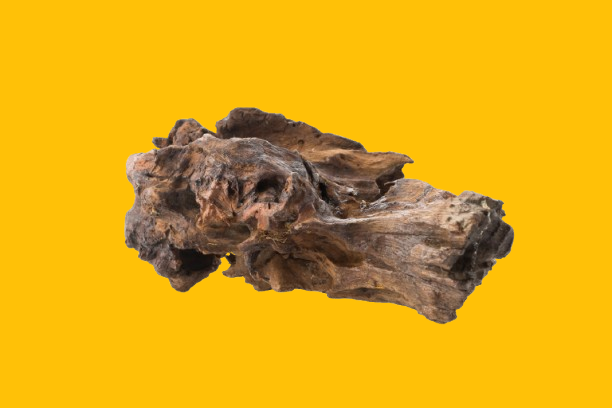
In recent years, the Philippines—a country rich in biodiversity—has witnessed a subtle but noteworthy shift in the status of its agarwood industry: from being dominated by illicit harvesting to the gradual emergence of regulated commercial activities. Agarwood, often called the “wood of the gods,” is a resin-rich heartwood produced by Aquilaria trees when infected or intentionally inoculated. The fragrance extracted from agarwood commands extraordinary prices on global markets, especially in the Middle East, China, and Europe, where it is used in perfumery, incense, and traditional rituals.
Aquilaria malaccensis, one of the primary species that yield high-quality agarwood, is native to the Philippines. However, rampant wild harvesting pushed it toward endangered status, prompting national laws aligned with the Convention on International Trade in Endangered Species of Wild Fauna and Flora (CITES) to prohibit unregulated trade and collection.
This juncture raises a compelling question: Is the premium agarwood industry taking off in the Philippines—and is this growth inclusive for Filipino stakeholders? This article explores regulatory frameworks, identifies key legal operators, discusses opportunities and obstacles for mainstream participation, and highlights conservation concerns intertwined with the industry’s expansion.
- The Legal Framework and Its Role in Industry Emergence
2.1 Regulation and Permitting
Historically, the harvesting of Aquilaria species from the wild in the Philippines was strictly prohibited due to conservation concerns. In response, the Department of Environment and Natural Resources (DENR) established a regulated pathway for agarwood cultivation through Wildlife Culture Permits (WCPs). These permits authorize the propagation, inoculation, and commercial utilization of Aquilaria trees under strict compliance protocols.
Propagation is allowed but highly regulated. Seedlings must be sourced legally, wild trees cannot be harvested, and movement of plant materials requires proper documentation. This framework seeks to ensure sustainability while enabling commercial activity.
2.2 The Role of CITES
As a signatory to CITES, the Philippines applies international controls to Aquilaria malaccensis. Export and import of agarwood products require certification to prevent illegal trade. These measures create traceability and accountability, forming the backbone of a legitimate agarwood supply chain.
- Companies Securing Permits and Driving Industry Growth
A small number of companies have successfully navigated regulatory requirements and now serve as early movers in the legal agarwood industry.
3.1 Iba Botanicals / United Agarwood Planters, Inc.
Iba Botanicals Inc., based in Zambales, was among the first to secure a Wildlife Culture Permit for agarwood cultivation. Through its affiliate United Agarwood Planters, Inc. (UAPI), the company supports legal propagation, plantation development, and farmer partnerships. Their model includes seedling provision, technical assistance, inoculation technology, and future market access.
3.2 Dasos-One Plantations, Inc.
Dasos-One Plantations operates an authorized agarwood plantation in Palawan, managing tens of thousands of Aquilaria trees. The company emphasizes sustainable plantation practices, controlled inoculation, and compliance-based production aligned with conservation objectives.
3.3 Putz Agarwood Farm Corporation
Putz Agarwood Farm Corporation has established a legally permitted agarwood plantation in Cavite and Antique. Though smaller in scale, it represents the growing interest among local firms in entering the regulated agarwood sector.
- Pathways and Barriers for Filipino Participation
4.1 Opportunities for Local Farmers and Investors
Legal agarwood cultivation offers several entry points for Filipino stakeholders: contract growing arrangements, nursery operations, inoculation services, and domestic processing of essential oils and incense products. If properly supported, these activities could generate long-term rural income.
4.2 Regulatory and Economic Barriers
Despite opportunities, barriers remain significant. Permit processes are complex, capital requirements are high, and agarwood production has long gestation periods. Smallholders often face unequal access to seedlings, technical knowledge, and financing compared to corporate entities.
- Black Market Trade and Conservation Threats
Illegal harvesting and black-market trade continue to threaten Aquilaria populations. Naturally resinous wild trees fetch premium prices, incentivizing poaching. Such activities undermine conservation goals and erode the credibility of legal enterprises.
- Discussion
The Philippine agarwood industry is undergoing a transition from illicit extraction to regulated cultivation. This transformation is driven by legal frameworks and pioneering firms but remains fragile. For inclusive and sustainable growth, policies must support smallholder participation, strengthen enforcement, and encourage value-added processing within the country.
- Conclusion
The premium agarwood industry in the Philippines is in its early but promising stages. Legal cultivation pathways now exist, and a small group of licensed companies has demonstrated commercial feasibility. However, long-term success depends on balancing conservation with economic inclusion. If managed well, Philippine agarwood could become a model of sustainable luxury agriculture that protects biodiversity while providing livelihood opportunities for Filipinos.
Support Our Research
This research helps protect endangered species. Consider donating to continue our work.