
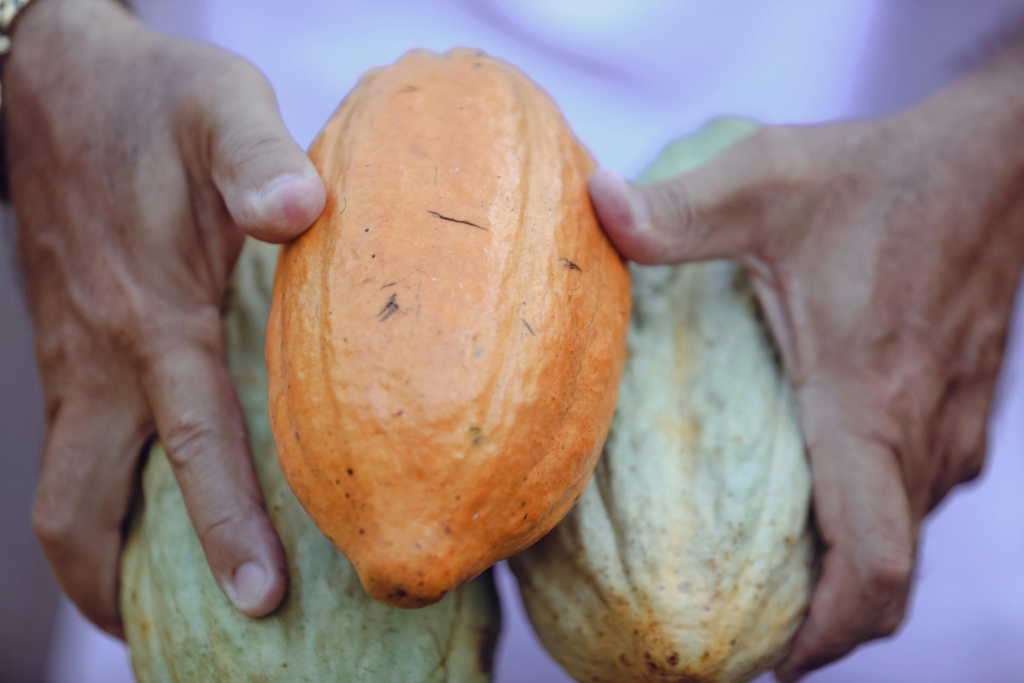
Genetic heritage, island endemism, and conservation imperatives for Philippine Criollo cacao
Abstract
Criollo cacao (Theobroma cacao L.) represents one of the oldest and most genetically distinct cacao lineages globally, renowned for its superior flavor profile, low bitterness, and historical significance in pre-Columbian societies. In the Philippines, Criollo cacao exists as localized, island-adapted populations that are increasingly recognized as rare agro-biodiversity assets. Although not a separate botanical species, Philippine Criollo constitutes a distinct genetic and cultural heritage shaped by centuries of geographic isolation, farmer selection, and adaptation to island ecosystems. This article presents a State of the Species (SOS) assessment of Philippine Criollo cacao, examining its taxonomy, distribution, genetic distinctiveness, ecological requirements, socio-economic importance, threats, and conservation status. The analysis highlights the urgent need for integrated in situ and ex situ conservation strategies, participatory breeding programs, and policy recognition to prevent genetic erosion and secure the future of Philippine Criollo cacao as both a biodiversity resource and a high-value livelihood crop.
Keywords
Criollo cacao, Theobroma cacao, agro-biodiversity, Philippines, genetic conservation, fine-flavor cacao, island endemism
1. Introduction
Cacao (Theobroma cacao L.) is among the world’s most economically and culturally significant perennial crops, forming the foundation of the global chocolate industry. While global production is dominated by Forastero and Trinitario types, Criollo cacao occupies a unique position due to its exceptional sensory qualities, historical importance, and genetic distinctiveness (Motamayor et al., 2008). Globally, Criollo cacao accounts for less than 5% of total cacao cultivation, rendering it both rare and vulnerable.
In the Philippines, cacao cultivation dates back to the Spanish colonial period, with Criollo cacao introduced via the Manila–Acapulco Galleon Trade in the 17th century. Over time, Criollo populations became localized within specific islands and agro-ecological niches, where they underwent farmer-driven selection and long-term adaptation. These Philippine Criollo populations are increasingly recognized as locally endemic genetic lineages shaped by island biogeography, traditional agroforestry practices, and centuries of relative isolation.
This State of the Species (SOS) assessment synthesizes existing knowledge on Philippine Criollo cacao, evaluates its conservation status, and identifies pathways for sustainable utilization and protection. In the context of accelerating climate change, land-use conversion, and genetic homogenization, such an assessment is both timely and necessary.
2. Taxonomy and Genetic Identity
2.1 Taxonomic Status
Criollo cacao is not a separate botanical species but a traditional genetic group within Theobroma cacao L., a member of the family Malvaceae. Historically, cacao was classified into three primary types—Criollo, Forastero, and Trinitario. Advances in molecular genetics have since revealed a more complex structure, identifying at least ten major genetic groups, with Criollo representing one of the most genetically distinct and highly domesticated lineages (Motamayor et al., 2008).
2.2 Philippine Criollo as a Distinct Genetic Resource
Philippine Criollo cacao is best described as a locally adapted Criollo-derived population rather than a wild endemic species. Nevertheless, prolonged geographic isolation on islands such as Mindanao, Bohol, Samar, and selected Visayan islands has resulted in unique genetic signatures. Preliminary genetic assessments and consistent phenotypic observations indicate defining traits that include:
- White to pale pink cotyledons
- Low polyphenol and tannin content
- Thin pod walls with pronounced furrows
- Early flowering and pod maturation
These traits align with classic Criollo characteristics while reflecting adaptation to Philippine climatic and edaphic conditions.
3. Geographic Distribution and Habitat
3.1 Distribution in the Philippines
Philippine Criollo cacao does not occur uniformly across the archipelago. Instead, it is found in fragmented, smallholder-managed populations, typically embedded within traditional agroforestry systems. Notable areas include:
- Southern Mindanao, particularly the Davao Region and adjacent provinces
- Selected islands in the Visayas
- Older backyard plantings associated with ancestral farms
These populations are often undocumented and underrepresented in official agricultural statistics, further obscuring their conservation status.
3.2 Ecological Requirements
Criollo cacao thrives under humid tropical conditions characterized by:
- Annual rainfall ranging from 1,500 to 2,500 mm
- Mean temperatures between 22 and 30°C
- Well-drained, fertile soils rich in organic matter
- Partial shade, commonly provided by coconut, banana, or native forest trees
Island environments have further shaped Philippine Criollo’s tolerance to variable rainfall patterns and periodic drought stress.
4. Ecological and Agroforestry Significance
4.1 Role in Agroforestry Systems
Criollo cacao is traditionally integrated into multistrata agroforestry systems that enhance ecological stability and farm resilience. These systems contribute to:
- Increased on-farm biodiversity
- Improved soil fertility through organic matter inputs
- Microclimate regulation and reduced heat stress
Such agroforestry configurations align closely with principles of sustainable land use and climate-smart agriculture.
4.2 Biodiversity Interactions
Cacao flowers support diverse pollinator communities, primarily midges (Forcipomyia spp.), while the tree canopy provides habitat for birds, insects, and understory species. In island ecosystems, these interactions play a critical role in maintaining ecological resilience.
5. Cultural and Socio-Economic Importance
5.1 Historical Significance
Criollo cacao holds cultural significance as one of the earliest cacao types cultivated in the Philippines. Historical records document its use in traditional beverages, religious contexts, and local trade during the Spanish colonial period.
5.2 Livelihood Potential
Although yields are typically lower than those of Forastero varieties, Criollo cacao commands premium prices in niche and fine-flavor markets due to its distinctive attributes, including:
- Floral and fruity flavor notes
- Low bitterness and astringency
- Smooth mouthfeel
For smallholder farmers, Philippine Criollo cacao offers opportunities for value addition through single-origin chocolate, artisanal cacao liquor, and specialty cacao products.
6. Threats and Challenges
6.1 Genetic Erosion
Uncontrolled hybridization with high-yielding Forastero and Trinitario varieties poses the most significant threat to Philippine Criollo cacao. While hybrids may enhance short-term productivity, they dilute the genetic integrity of Criollo populations.
6.2 Land-Use Change
Urban expansion, monocropping, and infrastructure development continue to reduce suitable habitats for traditional cacao agroforestry systems.
6.3 Climate Change
Rising temperatures, altered rainfall regimes, and increased pest and disease pressures present growing risks. Criollo cacao’s comparatively lower disease resistance heightens its vulnerability under climate stress.
6.4 Institutional Neglect
National breeding and development programs tend to prioritize yield and disease resistance, often overlooking genetic diversity, flavor quality, and heritage value.
7. Conservation Status Assessment
7.1 Current Status
Philippine Criollo cacao can be considered genetically endangered at the local level due to:
- Small and fragmented populations
- Absence of formal legal protection
- Progressive replacement by commercial hybrids
Although not assessed under the IUCN Red List, its genetic resources warrant concern under agro-biodiversity conservation frameworks.
7.2 In Situ Conservation
Farmer-managed agroforestry systems represent the most viable in situ conservation strategy. Supporting traditional farms and maintaining pure Criollo lines are essential for long-term preservation.
7.3 Ex Situ Conservation
Complementary ex situ measures include:
- Germplasm collections in national research institutions
- Community seed and clone banks
- Living collections in botanical and agroforestry gardens
8. Research Gaps and Future Directions
Key knowledge gaps include:
- Comprehensive genetic characterization of Philippine Criollo populations
- Long-term studies on yield stability and climate resilience
- Documentation of traditional farmer knowledge and selection criteria
Future research should integrate molecular genetics, participatory breeding, and socio-economic analysis.
9. Policy and Development Implications
Formal recognition of Philippine Criollo cacao as a priority genetic resource could inform:
- National cacao development strategies
- Geographic indication (GI) initiatives
- Climate-resilient and biodiversity-friendly agriculture programs
Aligning conservation incentives with farmer livelihoods is essential for sustainable outcomes.
10. Conclusion
This State of the Species (SOS) assessment underscores the exceptional value of Philippine Criollo cacao as a genetic, cultural, and economic resource. Although not a separate botanical species, Philippine Criollo represents a locally endemic expression of a globally rare cacao lineage shaped by island ecology and centuries of human stewardship. Without immediate and coordinated conservation action, this heritage faces irreversible loss. Protecting Philippine Criollo cacao is both an act of biodiversity conservation and an investment in sustainable livelihoods, food culture, and climate-resilient agriculture.
References (Selected)
Motamayor, J. C., Lachenaud, P., da Silva e Mota, J. W., et al. (2008). Geographic and genetic population differentiation of the Amazonian chocolate tree (Theobroma cacao L.). PLoS ONE, 3(10), e3311.
Wood, G. A. R., & Lass, R. A. (2001). Cocoa (4th ed.). Oxford: Blackwell Science.
International Cocoa Organization (ICCO). (2020). Fine or Flavour Cocoa: A Review. ICCO.
Support Our Research
This research helps protect endangered species. Consider donating to continue our work.