
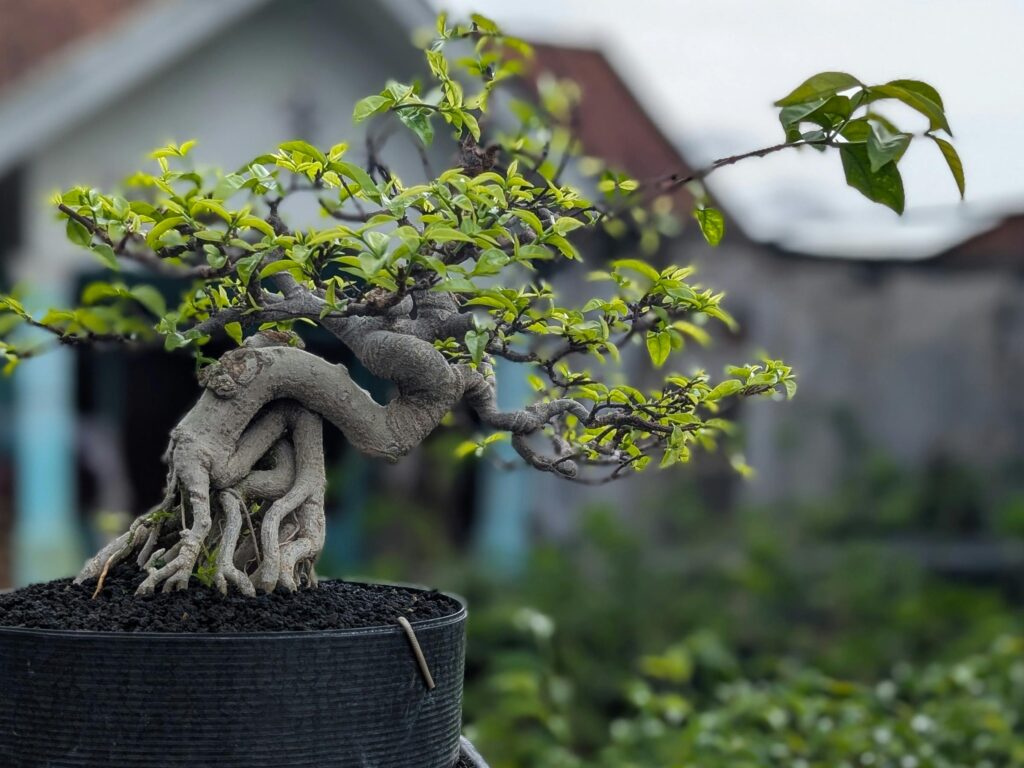
Cultivating art, conservation, and food security through Ficus bonsai and community innovation in the Philippines
Abstract
Bonsai art has long been associated with Zen gardens, aesthetic discipline, and horticultural mastery. Among the myriad species used globally, Ficus spp. have emerged as the nexus between aesthetic appeal, environmental stewardship, and community empowerment—particularly in the Philippines. This journal-style article explores why Ficus species represent the future of modern-world bonsai cultivation. Delving into the diversity of Ficus used as bonsai materials in the Philippines, this piece examines how the art intersects with forest conservation efforts, social learning communities, and cutting-edge practices championed by organizations like BetterBonsai. While traditional bonsai training focuses on size and form, BetterBonsai pushes the boundaries by integrating fruit production in bonsai (from kumquat to Japanese persimmon), elevating bonsai from ornamental art to components of sustainable food systems. Through community narratives, technological advancements, and conservation insights, this article presents a comprehensive picture of Ficus’s growing role in the Philippine bonsai ecosystem and its global implications.
Keywords
Bonsai; Ficus species; Philippines; forest conservation; BetterBonsai; community horticulture; fruiting bonsai; sustainable agriculture; green skills education
1. Introduction
The practice of bonsai—miniaturizing large trees into elegant, meticulously maintained forms—carries deep cultural roots that span centuries in East Asia and have evolved into a global horticultural phenomenon. While Japan and China are traditionally celebrated as bonsai epicenters, the Philippines is increasingly recognized as a vibrant hub of bonsai innovation. Central to this evolution is the genus Ficus.
In Filipino gardens, markets, and community nurseries, various Ficus species thrive as bonsai candidates due to their adaptability, responsiveness to pruning, and resilience in tropical climates. Beyond aesthetics, many practitioners now view Ficus as ambassadors of environmental consciousness—bridging urban horticulture and forest preservation. Organizations such as BetterBonsai are reframing bonsai as a platform for community building, food sustainability, and advanced plant propagation.
This article investigates why Ficus species are positioned as the future of modern bonsai culture, how they support forest conservation in the Philippines, and how community-based innovation—particularly through BetterBonsai—is redefining the boundaries of bonsai practice.
2. Ficus Species in Philippine Bonsai Culture
2.1 Ficus microcarpa (Chinese Banyan / “Guanxi”)
Ficus microcarpa is arguably the most iconic bonsai species in the Philippines. Its dense foliage, flexible branches, and aggressive root system make it ideal for classical and contemporary bonsai styles. Widely found in urban settings and exhibitions from Manila to Cebu, it symbolizes the convergence of resilience, accessibility, and aesthetic refinement.
2.2 Ficus benjamina (Weeping Fig)
Known for its graceful, drooping branches and glossy leaves, Ficus benjamina is favored by both novice and advanced bonsai artists. Its tolerance to pruning and grafting enables diverse artistic expressions, including informal upright, cascade, and forest compositions.
2.3 Ficus nota (Lana / Fairy Fig)
Native to the Philippines, Ficus nota introduces a strong conservation and cultural dimension to bonsai practice. Its small leaves and textured bark present both challenges and opportunities, encouraging growers to value indigenous biodiversity through artistic cultivation.
2.4 Variegated and Other Ficus Forms
Variegated Ficus varieties contribute visual complexity through contrasting leaf patterns. Filipino bonsai artists increasingly experiment with these forms, expanding aesthetic boundaries while maintaining horticultural robustness.
Collectively, these species illustrate why Ficus occupies a central role in Philippine bonsai culture—combining adaptability, cultural relevance, and artistic versatility.
3. Ficus Bonsai and Forest Conservation Synergies
3.1 Biodiversity Education
Bonsai cultivation fosters botanical literacy. As enthusiasts study Ficus morphology and ecology, they gain deeper appreciation of forest systems, species interactions, and habitat conservation. Native Ficus bonsai, in particular, strengthen public awareness of endemic flora.
3.2 Carbon and Climate Awareness
Urban Ficus bonsai serve as symbolic representations of forest carbon sequestration. In workshops and exhibitions, bonsai are used as educational tools to demonstrate how trees mitigate climate change, translating abstract concepts into tangible experiences.
3.3 Ethical Sourcing and Propagation
Philippine bonsai communities increasingly emphasize propagation methods—such as air-layering (marcotting), cuttings, and grafting—over wild collection. Ficus species’ ease of vegetative propagation supports sustainable material sourcing while reducing pressure on natural forests.
3.4 Urban Green Corridors
The integration of bonsai gardens and Ficus plantings into urban spaces contributes to micro-habitat creation, pollinator support, and enhanced human–nature interactions in dense cities.
4. Community Dynamics in Philippine Bonsai
4.1 Local Clubs and Exhibitions
Across the archipelago, bonsai clubs host regular meetups, skill-sharing sessions, and exhibitions. These gatherings celebrate Ficus bonsai as both artistic achievements and cultural expressions.
4.2 Intergenerational Knowledge Transfer
Bonsai practice in the Philippines bridges generations. Senior practitioners mentor younger growers, transmitting horticultural skills and conservation values through hands-on collaboration.
4.3 Digital Learning Communities
Social media, online forums, and virtual workshops enable Filipino bonsai enthusiasts to exchange techniques, critique designs, and connect with global practitioners—accelerating innovation and inclusivity.
5. BetterBonsai: Education, Skills, and Innovation
5.1 Mission and Vision
BetterBonsai aims to democratize green skills by integrating bonsai, plant propagation, and fruit tree management into educational systems. Its programs emphasize teacher and student empowerment through experiential learning.
5.2 Core Green Skills Development
BetterBonsai focuses on competencies such as bonsai aesthetics, cloning and propagation, marcotting, and grafting—skills that support horticultural livelihoods and ecological literacy.
6. Technological Frontiers: Fruiting Bonsai
BetterBonsai’s most transformative contribution lies in fruiting bonsai—combining ornamental design with edible production. Successful examples include Japanese persimmon, Fuji apple, Asian pear, Ochiyo cherry, chestnut, and citrus species such as kumquat, kalamansi, and satsuma orange. Indigenous fruits like kiat-kiat further embed cultural heritage into bonsai practice.
7. Bonsai, Sustainability, and Food Security
By integrating fruiting bonsai into schools and community spaces, BetterBonsai reframes bonsai as micro-orchards that support nutrition education, ecological awareness, and urban food resilience.
8. Challenges and Future Directions
Key challenges include climate adaptation for temperate species, scaling educational programs, and formal integration with conservation initiatives. Addressing these issues will require partnerships, policy support, and continued experimentation.
9. Conclusion
In the Philippines, Ficus bonsai represent more than refined horticultural art. They embody a convergence of aesthetics, conservation, community innovation, and food security. Through adaptable growth habits and ease of propagation, Ficus anchors a modern bonsai movement that honors tradition while addressing contemporary ecological and social needs. BetterBonsai’s work—particularly in fruiting bonsai—demonstrates how bonsai can function as a tool for education, sustainability, and community empowerment. In this evolving landscape, the future of modern bonsai in the Philippines is firmly rooted in Ficus.
Support Our Research
This research helps protect endangered species. Consider donating to continue our work.