
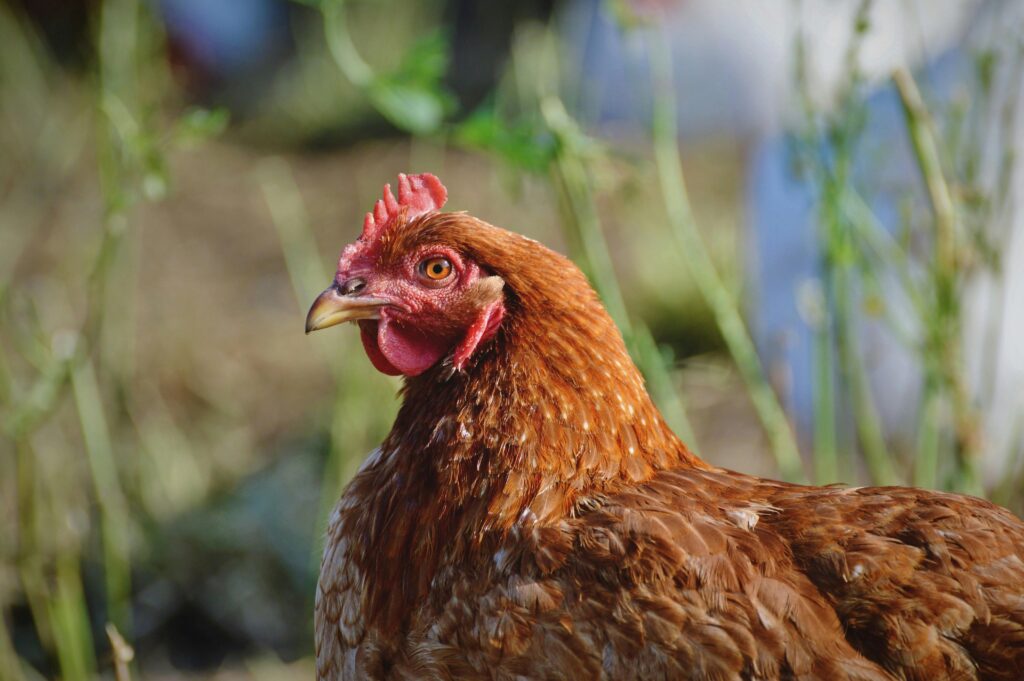
Evidence from a zero-mortality, zero-medication Rhode Island Red system in urban Philippines
Abstract
The global poultry industry is heavily dependent on vaccines, antibiotics, synthetic growth promoters, and controlled housing systems to maintain productivity and manage disease risks. In contrast, pure organic poultry systems—entirely devoid of vaccines, antibiotics, and synthetic hormones—are often regarded as impractical or biologically high-risk, particularly in tropical, typhoon-prone environments. This journal-type article documents and analyzes a year-long experiential case study (February–December 2025) involving sixteen (16) Rhode Island Red chickens raised within a complex agroforestry design in Taguig City, Philippines. The system employed no vaccines, no antibiotics, no synthetic growth hormones, and no synthetic egg-laying hormones. Nutrition and health management relied exclusively on diversified plant forages, rice and corn bran supplementation, and simple organic water treatments. Despite exposure to multiple environmental stressors—including three typhoon-related overnight flooding events and three documented heat-stress periods—the flock achieved zero mortality, near-zero morbidity, and 100% egg-laying under normal rooster–hen social interaction. The findings suggest that pure organic poultry production embedded in agroforestry systems is not only achievable but biologically robust when biodiversity, nutrition, behavior, and microclimate are strategically aligned.
Keywords
Pure organic poultry; agroforestry design; Rhode Island Red; zero mortality; no vaccines; biodiversity feeding; tropical poultry systems; Philippines
1. Introduction
Modern poultry production systems are dominated by industrial models emphasizing high stocking densities, standardized commercial feed rations, prophylactic vaccination schedules, and pharmaceutical interventions. While these systems achieve high productivity, they raise increasing concerns related to antimicrobial resistance, animal welfare, environmental sustainability, and food safety (FAO, 2022). In response, organic and regenerative poultry systems have gained global attention; however, most certified “organic” systems still permit vaccines, commercial organic feeds, and limited pharmaceutical inputs.
A critical question remains unresolved: Is a pure organic poultry system—completely free from vaccines, antibiotics, and synthetic hormones—biologically viable, particularly in tropical urban environments subject to extreme weather events? Skepticism persists among veterinarians and commercial producers, who argue that disease pressure, heat stress, and nutritional constraints render such systems unsustainable.
This article presents a detailed experiential case study of a small-scale but intensively designed agroforestry-based poultry system in Taguig City, Philippines. The system centered on Rhode Island Red chickens, a heritage dual-purpose breed known for hardiness but rarely evaluated under vaccine-free tropical conditions. By documenting management practices, forage diversity, environmental stress exposure, and production outcomes, this study contributes empirical evidence to the growing discourse on regenerative and biodiversity-driven poultry resilience.
2. Materials and Methods
2.1 Study Location and Duration
The study was conducted from February 2025 to December 2025 in Taguig City, Philippines, an urban lowland environment characterized by:
- Tropical monsoon climate
- High relative humidity (70–90%)
- Seasonal typhoon exposure (June–October)
- Periodic heat stress exceeding 35 °C
The site employed an agroforestry-based design integrating perennial trees, shrubs, vines, grasses, and annual vegetables within a semi-open poultry ranging system.
2.2 Experimental Animals
A total of sixteen (16) Rhode Island Red chicks were introduced at one (1) week of age, consisting of:
- 8 roosters
- 8 hens
No birds were vaccinated at any stage. No antibiotics, coccidiostats, synthetic supplements, or growth enhancers were administered throughout the study period.
2.3 Feeding and Forage System
2.3.1 Forage Diversity
Chickens had continuous access to a highly diverse forage environment comprising multiple functional plant groups.
Vines and Trees
- Eight (8) grape varieties
- Illinois mulberry
- Australian turkey mulberry
- Himalayan white mulberry
- Himalayan red mulberry
- Taiwan mulberry
- Guava (Psidium guajava)
- Calamondin (Citrus microcarpa)
- Bagalunga
- Ipil-ipil (Leucaena leucocephala)
- Moringa (Moringa oleifera)
Grasses and Ground Covers
- Purple Napier grass
- Green Napier grass (Pakchong)
- Brachiaria mutica
- Kangkong (Ipomoea aquatica)
- Sweet potato leaves
- Alugbati (Basella alba)
Herbs and Medicinal Plants
- Lemongrass
- Ginger
- Turmeric
- Chamaecostus cuspidatus
- Pancit-pancitan (Peperomia pellucida)
- Siling labuyo
- Kulitis (Amaranthus spp.)
- Tawa-tawa (Euphorbia hirta)
- Medenilla
This botanical diversity supplied macro- and micronutrients as well as phytochemicals with documented antimicrobial, antiparasitic, anti-inflammatory, and immunomodulatory properties.
2.3.2 Supplemental Feed
In addition to forage, birds received moderate quantities of:
- Rice bran
- Corn bran
These supplements supported caloric requirements without suppressing natural foraging behavior.
2.4 Water Management and Natural Supplements
Drinking water treatments were rotated strategically and included:
- Fresh rice water wash
- Fermented rice water wash
- Water supplemented with dextrose powder
- Water with food-grade baking soda
Treatments were applied during growth transitions, stress periods, and post-exposure recovery phases.
2.5 Environmental Stress Exposure
The system deliberately operated under real-world conditions without climate-controlled housing.
2.5.1 Typhoon Exposure
- Three (3) documented overnight typhoon events
- Prolonged rainfall and flooding
- High winds and temperature fluctuations
2.5.2 Heat Stress Exposure
- Three (3) periods of extreme daytime heat
- No evaporative cooling or artificial climate control employed
2.6 Data Collection
The following parameters were continuously observed and recorded:
- Mortality
- Visible illness or clinical signs
- Respiratory symptoms
- Heat stress responses
- Egg-laying rates
- Behavioral and social interactions
3. Results
3.1 Mortality and Morbidity
- Zero mortality (0%) recorded throughout the study
- No clinical illness observed, except:
- Two (2) roosters exhibiting mild sneezing for one day during typhoon exposure
No recurring respiratory, digestive, or neurological symptoms were recorded.
3.2 Stress Resistance
3.2.1 Typhoon Events
Despite three overnight typhoon exposures:
- No hypothermia
- No secondary infections
- No appetite suppression
- No long-term behavioral changes
3.2.2 Heat Stress Events
During extreme heat periods:
- Birds continued active foraging
- No collapse or severe panting observed
- No decline in feed intake
- No mortality recorded
3.3 Egg-Laying Performance
Egg production exhibited a strong association with social structure:
- 100% egg-laying (8/8 hens) when daily rooster–hen interaction occurred
- Maximum of 75% egg-laying (6/8 hens) when roosters were absent or isolated
This suggests that social and behavioral cues significantly influence reproductive physiology under pure organic conditions.
4. Discussion
4.1 Biodiversity as a Primary Health Driver
The absence of disease and mortality in a vaccine-free system challenges dominant assumptions regarding poultry health management. The highly diverse forage system likely functioned as:
- A continuous micronutrient supply
- A natural parasite-control mechanism
- A phytochemical-based immune support system
Plants such as turmeric, ginger, moringa, guava, and tawa-tawa are well-documented for antimicrobial and immunomodulatory effects, supporting the hypothesis that dietary diversity can substitute for pharmaceutical interventions.
4.2 Agroforestry Microclimate Regulation
The agroforestry design moderated environmental extremes by:
- Providing shade during heat stress
- Reducing wind exposure during storms
- Enhancing soil structure and drainage through perennial root systems
These factors likely reduced physiological stress, a known precursor to disease susceptibility.
4.3 Social Interaction and Reproductive Physiology
The observed increase from 75% to 100% egg-laying in the presence of roosters suggests that:
- Visual, auditory, and behavioral cues stimulate hormonal regulation
- Natural flock structure enhances laying persistence
This finding aligns with ethological research emphasizing the role of social stability in poultry productivity.
4.4 Implications for Urban and Smallholder Systems
Conducted within an urban setting, this study demonstrates that pure organic poultry systems are viable beyond rural contexts, provided that space is biologically designed rather than optimized for stocking density.
5. Limitations
- Small sample size (n = 16)
- Single geographic location
- Non-controlled experimental conditions
These limitations also reflect real-world applicability rather than laboratory isolation.
6. Conclusion
This case study provides compelling evidence that pure organic poultry production within an agroforestry framework is achievable under tropical urban conditions and extreme environmental stress. Through strategic biodiversity integration, natural nutrition, behavioral integrity, and ecological design, a Rhode Island Red flock achieved:
- Zero mortality
- Zero pharmaceutical dependency
- High stress tolerance
- Optimal egg-laying performance
These results challenge prevailing paradigms in poultry health management and support a transition toward regenerative, biodiversity-driven livestock systems.
7. Recommendations
Future research should investigate:
- Replication with larger flock sizes
- Comparative trials against vaccinated and medicated systems
- Quantitative nutrient and phytochemical profiling
- Long-term genetic and epigenetic resilience outcomes
Support Our Research
This research helps protect endangered species. Consider donating to continue our work.